Solar shaping mainstream power source
By Adminsolar August 6, 2026 5:06 pm IST
Solar power is no longer a future idea. It is already shaping the present. Across countries, industries, and homes, solar energy is moving from a niche solution to a mainstream power source. What was once seen as an alternative is now becoming a necessity.
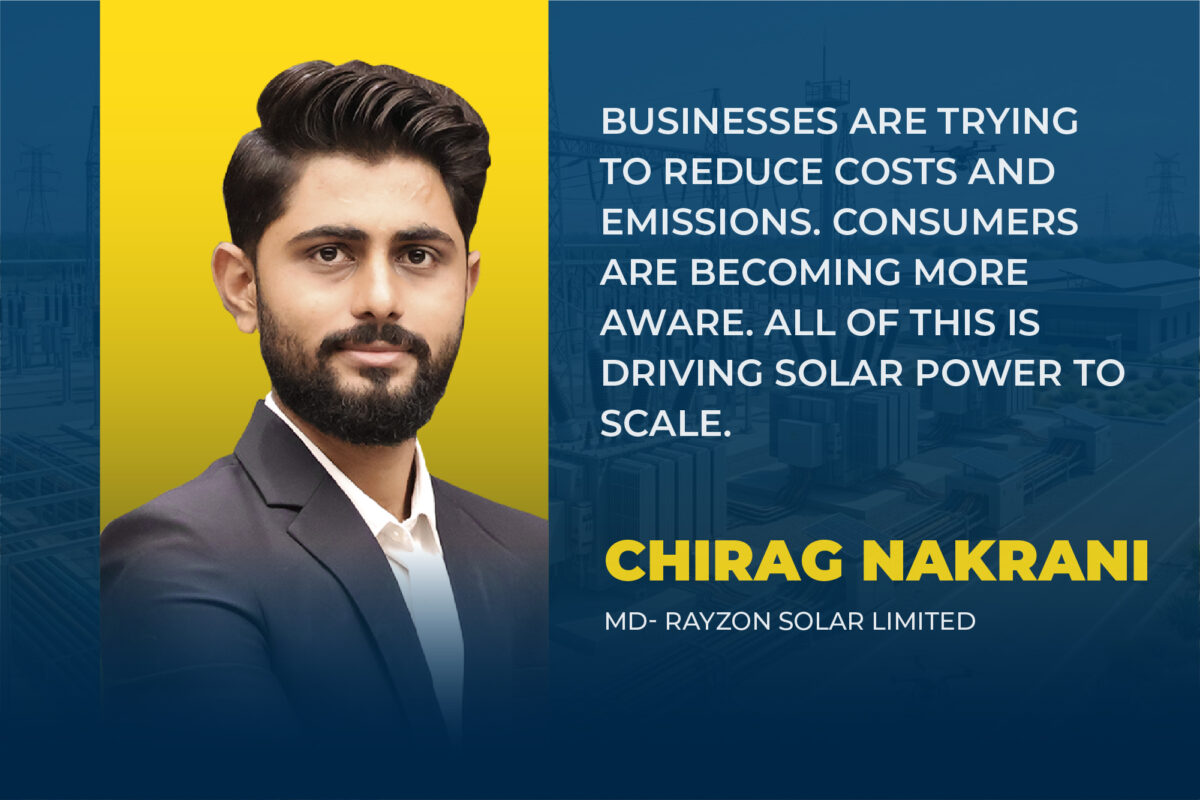
The shift is not sudden. It is the result of years of policy push, technology improvement, and rising energy demand. Governments are focusing on clean energy targets. Businesses are trying to reduce costs and emissions. Consumers are becoming more aware. All of this is driving solar power to scale.
Solar power at scale
Scale is the most important word in today’s solar story. Earlier, solar projects were small and scattered. Now, they are large, structured, and deeply integrated into power systems. Utility-scale solar parks are growing rapidly. Rooftop installations are expanding in cities. Even rural areas are adopting solar solutions faster.
This expansion is not just about adding more panels. It is about building an ecosystem. Manufacturing, supply chains, financing, installation, and maintenance are all evolving together. When solar grows at scale, every part of the value chain needs to keep up. That is where the real challenge lies.
One major factor behind this growth is cost reduction. Over the years, solar panel prices have dropped significantly. Better manufacturing processes and improved materials have made this possible. As costs decline, adoption increases. It becomes easier for businesses and households to switch to solar.
At the same time, innovation is playing a critical role. Solar technology today is far more advanced than it was a decade ago. Panels are more efficient. They generate more power from the same sunlight. They perform better in different weather conditions. They last longer and require less maintenance.
Innovation
Innovation is not limited to panels alone. It extends to the entire system. Inverters are becoming smarter. Energy storage solutions are improving. Digital monitoring tools are helping users track performance in real time. These advancements are making solar more reliable and user-friendly.
Another important shift is happening in how solar energy is used. Earlier, it was mostly about generating electricity. Now, it is about managing energy. Businesses are combining solar with storage to ensure uninterrupted power. Industries are using solar to stabilise energy costs. Even residential users are looking at solar as a long-term investment.
The market is also becoming more competitive. New players are entering the space. Existing companies are expanding their capabilities. This competition is healthy. It pushes the industry to improve quality, reduce costs, and innovate faster. However, it also creates pressure to maintain consistency and reliability.
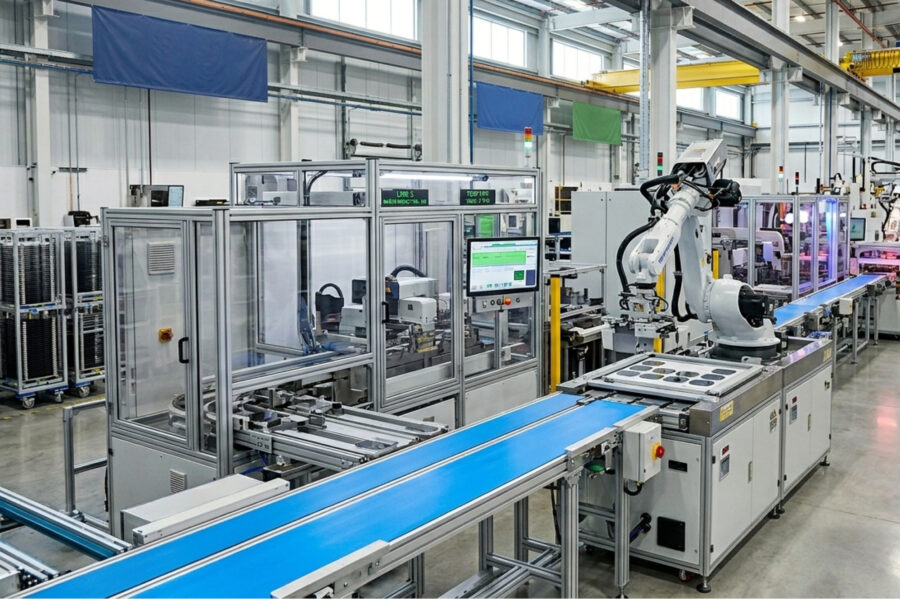
Quality is becoming a key differentiator. As solar installations grow, the focus is shifting from just price to performance. Customers want systems that deliver over the long term. They want assurance that their investment will pay off. This is where manufacturing standards, testing, and certifications become crucial.
Supply chain
Supply chain strength is another critical factor. Solar projects depend on the timely delivery of components. Any delay can impact timelines and costs. With global demand rising, supply chains are under pressure. Companies that can manage this complexity have a clear advantage.
Policy support continues to play a major role in market expansion. Incentives, subsidies, and regulations are encouraging solar adoption. At the same time, governments are focusing on domestic manufacturing. This is creating new opportunities for local players. It is also helping reduce dependency on imports.
In countries like India, the potential is massive. The energy demand is growing rapidly. At the same time, there is a strong push for renewable sources. Solar fits perfectly into this vision. It is abundant, scalable, and sustainable. This makes it a key pillar of the energy transition.
However, scaling solar is not without challenges. Land availability, grid integration, and financing are key issues. Large projects require careful planning. They need coordination between multiple stakeholders. They also require long-term vision.
Grid infrastructure
Grid infrastructure needs to evolve alongside solar expansion. As more solar power is added, managing supply and demand becomes complex. Energy storage and smart grids will play a crucial role in solving this problem. Without them, scaling solar will face limitations.
Financing is another important aspect. While costs have reduced, solar projects still require significant upfront investment. Access to affordable finance is essential. Innovative financing models are emerging to address this need. These include leasing, power purchase agreements, and green bonds.
Role of businesses
The role of businesses in this transition cannot be ignored. Companies are no longer just consumers of energy. They are becoming producers as well. By adopting solar, they are reducing their carbon footprint and controlling energy costs. This shift is creating a new dynamic in the energy market.
At the same time, customer expectations are evolving. People are more informed. They ask better questions. They look for transparency. They want to understand what they are investing in. This is pushing the industry to become more accountable.
Road ahead
Looking ahead, the future of solar power will be defined by integration. Solar will not work in isolation. It will be part of a larger energy ecosystem. It will work alongside wind, storage, and other technologies. This integrated approach will make energy systems more resilient and efficient.
The journey of solar power at scale is still unfolding. There is a long way to go. But the direction is clear. Solar is not just growing. It is transforming how energy is produced and consumed.
In this evolving landscape, experience and understanding matter. Companies that have seen the industry grow from its early stages bring a different perspective. They understand the challenges of scaling. They know the importance of quality and consistency. They recognise that innovation is not a one-time effort but a continuous process.
From our vantage point, solar power is not just about technology. It is about trust. It is about delivering solutions that perform over time. It is about contributing to a larger goal of sustainable growth. As the market expands and innovation continues, the focus must remain on building systems that last, perform, and create real value for the future.
Cookie Consent
We use cookies to personalize your experience. By continuing to visit this website you agree to our Terms & Conditions, Privacy Policy and Cookie Policy.