
CEA proposes mandatory battery storage for new solar, wind projects
By Staff Report September 9, 2026 5:05 pm IST
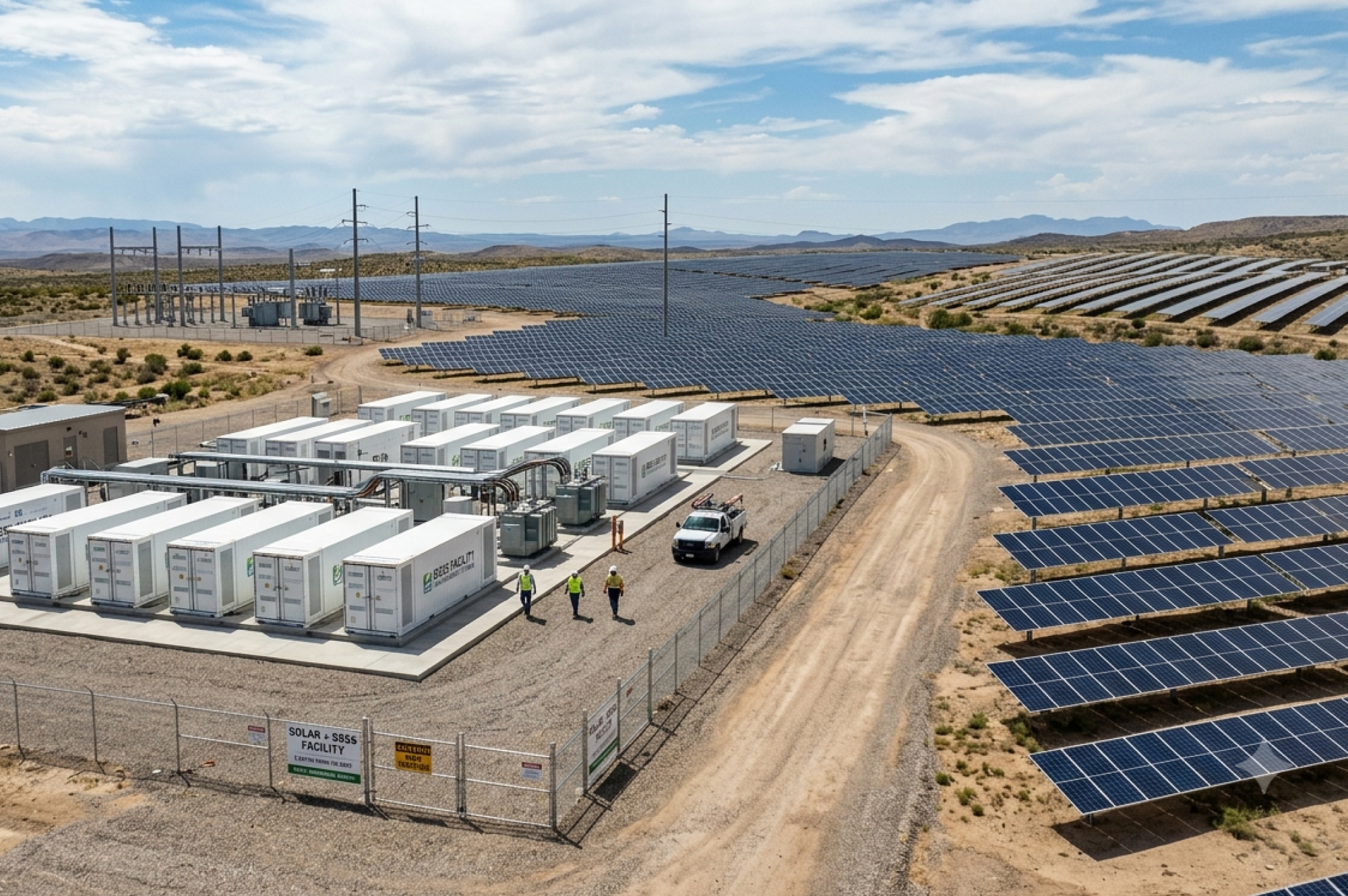
Government new ground-mounted solar and onshore wind projects may be required to integrate co-located energy storage systems, with a minimum two-hour storage duration and storage capacity equivalent to at least 10% of installed project capacity.
Central Electricity Authority (CEA) has proposed mandatory energy storage requirements for new government solar and onshore wind projects. The proposal is part of the draft Central Electricity Authority (Technical Standards for Construction of Electric Plants and Electric Lines) 2nd Amendment Regulations, 2026. If notified in its current form, the regulations would apply to renewable energy projects commissioned from July 1, 2027.
Under the proposed framework, new ground-mounted solar and onshore wind projects would be required to integrate a co-located Energy Storage System (ESS). The move is aimed at improving the reliability and dispatchability of renewable power by enabling electricity generated during periods of high solar or wind availability to be stored and supplied when generation falls.
The draft proposal specifies a minimum two-hour energy storage duration, with the storage capacity required to be equivalent to at least 10% of the project’s installed generation capacity.
The ESS would be located alongside the renewable energy project, effectively integrating generation and storage into a single project configuration. For developers, the proposed requirement could mark a significant change in project planning, moving battery storage from an increasingly common flexibility solution to a mandatory component of new utility-scale renewable projects.
The country’s rapid expansion of solar and wind capacity has increased the need for greater flexibility in the power system. Unlike conventional generation, renewable generation is dependent on weather and resource availability, creating challenges around balancing supply and demand during periods of low solar irradiation or wind availability. Co-located battery storage can help address this challenge by shifting renewable electricity from periods of high generation to periods of higher demand. It can also support grid balancing and improve the utilisation of renewable generation assets.
The proposed CEA requirement therefore signals a broader transition towards firming renewable power through energy storage, particularly as India continues to expand its non-fossil-fuel generation capacity. If implemented, the regulation could have implications across the renewable energy value chain, including project developers, EPC companies, battery manufacturers, inverter suppliers and system integrators.
Developers would need to factor storage capacity, battery technology, power conversion systems, control platforms, land requirements and associated costs into project design at an earlier stage. The proposal could also accelerate demand for utility-scale Battery Energy Storage Systems (BESS) and encourage greater integration of renewable generation with advanced energy management and grid-support technologies.
With renewable capacity continuing to grow, the proposed regulation reflects India’s increasing focus not only on adding clean generation capacity, but also on ensuring that renewable electricity is available, flexible and grid-compatible when it is needed most.
Cookie Consent
We use cookies to personalize your experience. By continuing to visit this website you agree to our Terms & Conditions, Privacy Policy and Cookie Policy.