Nagpur Metro introduces India’s 1st inter-track solar panels
By Adminsolar August 7, 2026 4:31 pm IST
Installs a 50 kWp solar system in PPP mode across 200 metre Hingna depot tracks, which will generate 70,000 units annually and reduce 65 tonnes of emissions.
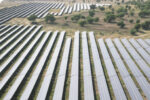
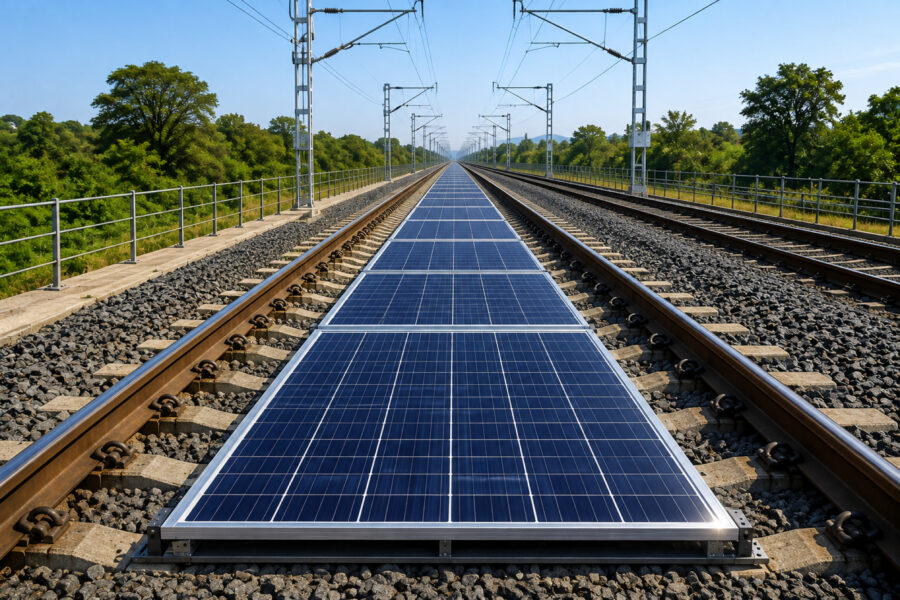
Creating a milestone, Maharashtra Metro Rail Corporation Limited (Maha Metro) has introduced solar panels between metro tracks at its Hingna Depot. This is a significant step in clean energy adoption.
The innovative inter-track solar project features a 200-metre pilot installation equipped with 50 kWp monocrystalline solar panels. Designed to withstand vibrations from active rail operations, the system is expected to generate approximately 70,000 units of electricity annually. With this initiative, Nagpur Metro becomes the first metro system in India to deploy solar panels between live railway tracks.
Highlighting the development, Sanjiv Jain, Vice President at Society of Energy Engineers and Managers, noted in a LinkedIn post that Nagpur Metro aims to meet nearly 65 percent of its energy requirements through solar power, positioning itself as a leader in sustainable urban transit.
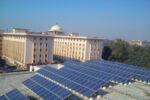
Maharashtra Metro Rail Corporation Limited (Maha Metro) has expanded its renewable energy efforts beyond inter-track solar by installing rooftop solar systems across several stations and key depots, including Mihan and Hingna. While these installations are already contributing to the network’s clean energy capacity, some segments are yet to be fully operational.
The metro has set a target of achieving 14 MW of solar capacity in Phase I and an additional 11 MW in Phase II. The power generated will be used primarily for station operations and depot requirements, helping reduce reliance on conventional energy sources.
Aligned with its broader “Green Metro” vision, the project also aims to secure a platinum sustainability rating. Notably, the inter-track solar installation alone is expected to cut carbon emissions by over 65 tonnes annually, underscoring Nagpur Metro’s commitment to a low-carbon future.
Speaking to the media, a senior metro official said that, while organisations such as Indian Railways and the National Capital Region Transport Corporation have explored inter-track solar concepts, no metro system in India has implemented it at this scale so far.
The initiative was conceptualised and developed by the Electrical Department of Maha Metro under its Solar Energy division, with execution carried out by a private vendor. Officials noted that the current installation is being treated as a pilot project, and future expansion will depend on its operational performance.
The timing is significant, as Nagpur Metro’s Phase II expansion progresses toward Hingna, Kanhan, and Butibori. The corporation is actively assessing additional track sections where similar renewable solutions could be integrated.
Operational since 2019, the 38-km, two-corridor Nagpur Metro network has consistently prioritised sustainability in its infrastructure planning. The inter-track solar model further strengthens this approach by utilising existing assets rather than requiring additional land.
The project has been implemented under a public-private partnership (PPP) model, with no upfront capital investment from the metro operator. The generated electricity will be used for captive consumption, without depending on a net metering mechanism.
Given its installation between active tracks, the system required careful engineering to address challenges such as vibrations from train movement, safe maintenance access, and proximity to overhead electrical equipment.
Officials reiterated that the pilot’s outcomes will guide future deployment across other depots like Hingna and Mihan, and potentially extend to stations and additional facilities. The initiative reflects a broader strategy to maximise existing infrastructure for clean energy generation, opening new pathways for scaling renewables in dense urban environments.
Cookie Consent
We use cookies to personalize your experience. By continuing to visit this website you agree to our Terms & Conditions, Privacy Policy and Cookie Policy.